
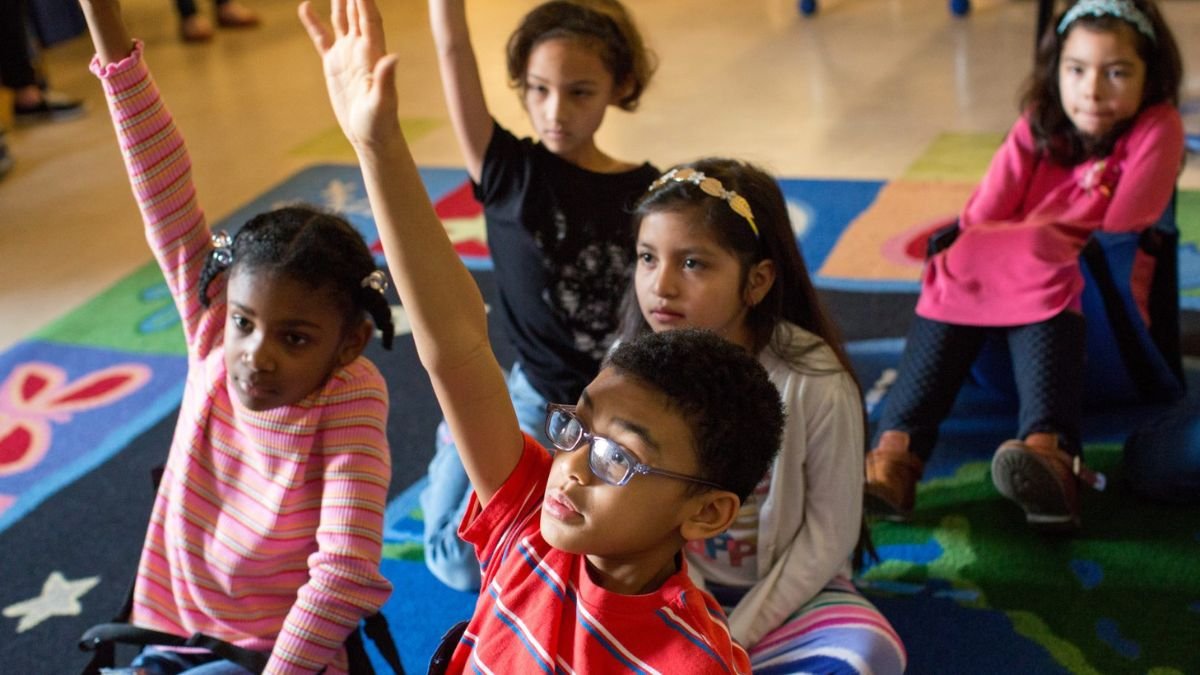
Schools are not just places of learning; they are among the most important institutions that shape society. Children’s ways of thinking, understanding, and perceiving others are largely developed in school. Therefore, if racial inequality exists within the school environment, this problem is perpetuated across generations. Racial equity does not mean treating all students exactly the same, but rather providing each student with equal opportunities based on their needs, so that no race or community is left behind.
Today, it has become crucial for schools to understand that racism is not merely a result of individual attitudes, but can also be embedded in institutional structures and policies. Therefore, schools must actively take steps to create a safe, respectful, and just environment for all students.
Developing Inclusive and Balanced Curricula
Racial equity begins with the curriculum taught in the classroom. If textbooks and lessons only emphasize one community or perspective, other students feel that their stories are less important. Schools should adopt a curriculum that includes the histories, contributions, and experiences of diverse races, cultures, and communities.
When students see themselves and people like them represented in books, their self-confidence increases. At the same time, other students learn to understand and respect different cultures. This step makes racial equity not just an idea, but a part of everyday learning.
Providing Racial Awareness Training for Teachers and Staff
Often, racial discrimination is not intentional, but rather a result of unconscious biases. Teachers are also part of society, and they may harbor certain preconceived notions. Therefore, schools should regularly conduct racial sensitivity and bias awareness training for teachers and staff.
This type of training helps teachers understand their expectations of students and whether they are treating everyone equally. When teachers themselves are aware, they can create a more just environment in the classroom.
Fair Review of School Policies and Regulations
School rules and disciplinary policies can also perpetuate racial inequality if they are not reviewed fairly. It has been observed that students from certain communities are often subjected to harsher punishments for minor infractions. Schools should regularly review their disciplinary policies to ensure they are not disproportionately harming any particular group.
Fair and transparent policies build trust among students and make them feel that the school is treating them justly.
Equal Resources and Opportunities for All Students
A significant aspect of racial equality is access to resources. Schools must ensure that all students have access to the same quality of education, technology, extracurricular activities, and guidance. If students from a particular group are consistently relegated to under-resourced programs, it exacerbates inequality.
Schools should provide additional support based on need, enabling every student to reach their full potential.
Creating a Safe and Respectful School Environment
Racial equality is only possible when the school environment is safe and respectful. Any form of racial slurs, jokes, or discrimination must be taken seriously. Schools should send a clear message that racism will not be tolerated in any form.
When students know that their identity will be respected, they are empowered to learn and thrive.
Valuing Students’ Voices
Promoting racial equality requires involving students in the process. Schools should create platforms where students can openly share their experiences, concerns, and suggestions. Student councils, dialogue sessions, and workshops can be useful in this regard.
When students’ voices are heard, they feel like valued members of the school community, not just passive recipients of rules.
Family and Community Involvement
Schools cannot promote racial equity alone. It requires the involvement of families and the local community. Schools should work collaboratively with parents and community leaders to ensure that students receive consistent messages both at school and at home.
This partnership strengthens school efforts and leads to lasting positive change.
Data and Progress Monitoring
Racial equity initiatives are only successful when they are regularly monitored. Schools should examine disparities in academic outcomes, discipline, and opportunities among students from different racial groups. This data can then be used to inform and improve policies and programs.
This step ensures that schools move beyond mere intentions and towards tangible change.
Conclusion: Towards an Equitable Future Through Education
The article “Steps Schools Can Take to Promote Racial Equity” demonstrates that racial equity is not a one-time achievement but an ongoing process. By honestly examining their structures, mindsets, and policies, schools can make a significant difference in society.
When schools embrace every child’s identity and provide equal opportunities for all to thrive, education truly becomes a powerful tool for empowerment. Promoting racial equity is not only a moral imperative but also the foundation for a better and more just future.