

Few dog breeds capture human attention quite like the Siberian Husky. With their wolf-like appearance, thick double coats, and striking facial features, they often stop people in their tracks. But among all their unique traits, one feature stands out the most—their piercing blue eyes. Many people wonder why Siberian Huskies have blue eyes, whether it is rare, and if it affects their vision or health. The answer lies in genetics, evolution, and the breed’s fascinating history.
The First Thing People Notice About Huskies
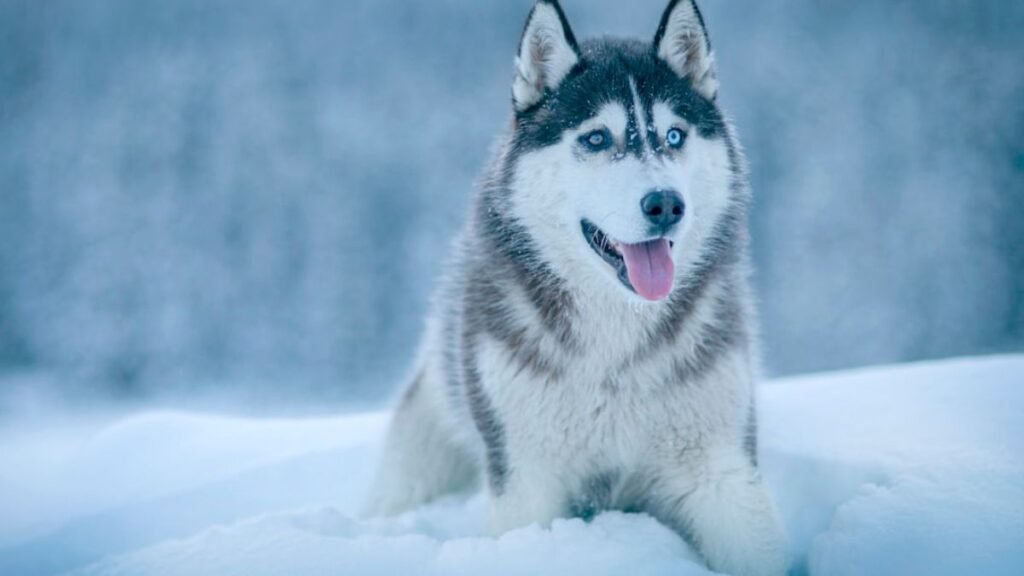
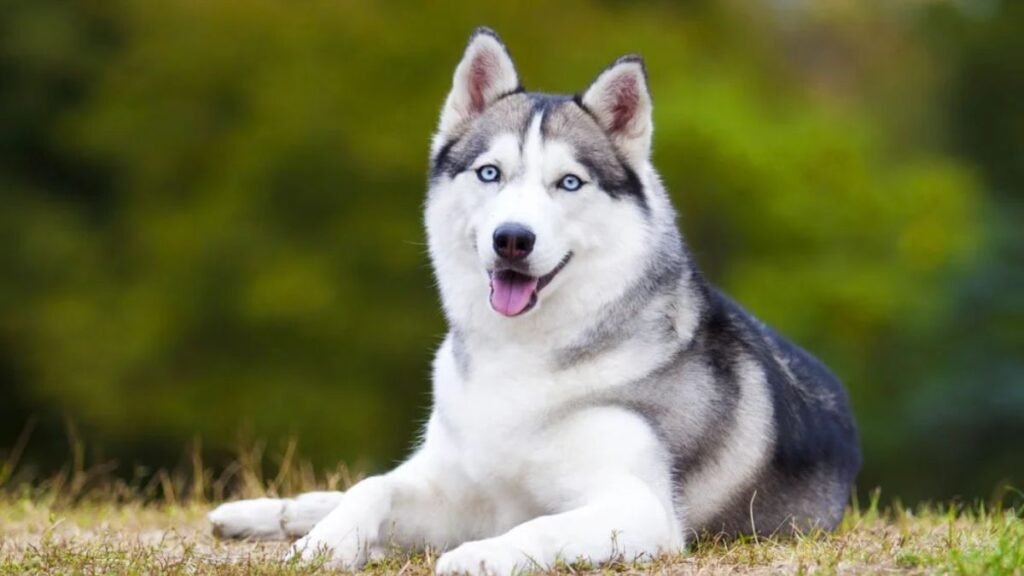
When someone sees a Siberian Husky for the first time, the eyes are usually what leave the strongest impression. That icy blue gaze feels almost human, sometimes intense, sometimes gentle, but always memorable. Unlike many dog breeds where blue eyes are linked to coat color or specific patterns, Huskies can have blue eyes regardless of whether their fur is black, gray, red, white, or a mix of shades.
This uniqueness has made Huskies one of the most recognizable dog breeds in the world. Their eye color is not just a cosmetic trait; it is a natural result of their genetic makeup.
The Genetic Reason Behind Blue Eyes
The main reason Siberian Huskies have blue eyes is genetics. Eye color in dogs is determined by the amount and distribution of melanin, the pigment responsible for color in the skin, hair, and eyes. Brown eyes contain more melanin, while blue eyes have very little.
In Siberian Huskies, blue eyes are caused by a specific genetic variation that limits melanin in the iris. Unlike humans, where blue eyes result from multiple genes interacting, Huskies often inherit blue eyes from a dominant genetic factor linked to their breed.
Interestingly, this genetic trait does not affect other aspects of pigmentation. This is why a Husky can have dark fur and still have bright blue eyes, something that is uncommon in many other dog breeds.
A Genetic Mutation, Not a Defect
One common misconception is that blue eyes in dogs indicate a health problem or a defect. In Siberian Huskies, this is not true. Their blue eyes are the result of a harmless genetic mutation that affects eye pigmentation only.
This mutation does not damage vision, reduce eye function, or increase sensitivity to light in a way that harms the dog. Huskies with blue eyes see just as well as those with brown or mixed-colored eyes. In everyday life, there is no functional disadvantage to having blue eyes.
Evolution and Survival in Cold Climates
To understand why this trait persisted, it helps to look at the Husky’s origins. Siberian Huskies were developed by the Chukchi people of northeastern Siberia, where harsh winters and extreme cold were part of daily life. These dogs were bred for endurance, strength, and teamwork, not appearance.
Blue eyes did not hinder survival or performance. Since the trait had no negative impact on the dog’s ability to pull sleds, hunt, or live in cold climates, it remained within the gene pool. Over generations, blue eyes became a normal and accepted feature of the breed.
Are All Siberian Huskies Blue-Eyed?
Not all Siberian Huskies have blue eyes. While blue is common, Huskies can also have brown eyes, greenish eyes, or even amber tones. Some Huskies have a condition known as heterochromia, where one eye is blue and the other is brown.
This variety adds to the breed’s charm. Each Husky has a unique expression, even among dogs from the same litter. Eye color does not determine purity, quality, or personality. A brown-eyed Husky is just as much a Husky as one with bright blue eyes.
Understanding Heterochromia in Huskies
Heterochromia is especially common in Siberian Huskies. This condition occurs when each eye has a different amount of melanin, resulting in two different colors. In some cases, a single eye may even contain two colors.
This phenomenon is purely genetic and harmless. Dogs with heterochromia have normal vision and do not experience discomfort. For many owners, this trait makes their Husky even more special, giving the dog a one-of-a-kind look.
Blue Eyes and Vision Quality
Another common concern is whether blue-eyed Huskies have vision problems. The simple answer is no. Eye color does not determine eyesight quality in Siberian Huskies. Blue-eyed, brown-eyed, and mixed-eyed Huskies all have similar visual abilities.
Their vision is well-suited for the environments they were bred for. Huskies rely heavily on movement detection and peripheral vision, which helps them navigate snowy landscapes and work efficiently in teams. Eye color plays no role in weakening these abilities.
Are Blue-Eyed Huskies More Sensitive to Light?
Some people assume that blue eyes make Huskies more sensitive to sunlight. While it is true that lighter-colored eyes can let in slightly more light, this does not cause pain or harm to Huskies.
In practical terms, Huskies are just as comfortable in bright conditions as other dogs. Their natural instincts, blinking reflexes, and eye structure protect them from excessive light exposure. Most Huskies adapt easily to different environments, whether snowy plains or sunny backyards.
Blue Eyes Compared to Other Dog Breeds
Blue eyes are relatively rare in the dog world. In many breeds, blue eyes are linked to merle coat patterns or albinism, which can sometimes be associated with health risks. Siberian Huskies are different.
In Huskies, blue eyes are a breed-standard trait and are not connected to harmful genetic conditions. This distinction is important because it explains why blue eyes in Huskies are widely accepted and celebrated, while in other breeds they may raise concerns.
Do Husky Puppies Always Have Blue Eyes?
Many Husky puppies are born with blue eyes, but this does not always mean they will keep them. During the first few months of life, a puppy’s eye color may change as melanin levels develop.
Some puppies’ eyes gradually shift from blue to brown or amber as they grow. Others retain their blue eyes permanently. This natural change is part of normal development and varies from dog to dog.
The Role of Selective Breeding
While blue eyes occur naturally, selective breeding has also played a role in maintaining the trait. As Huskies became popular outside Siberia, breeders began to appreciate and preserve their distinctive features, including eye color.
Responsible breeders focus on health, temperament, and genetic diversity rather than eye color alone. Blue eyes are seen as a bonus, not a requirement. Ethical breeding ensures that the Husky remains healthy and strong, regardless of eye color.
Personality Has Nothing to Do With Eye Color
Another myth is that blue-eyed Huskies have different personalities than brown-eyed ones. In reality, eye color has no connection to behavior, intelligence, or temperament.
Siberian Huskies are known for being energetic, social, intelligent, and sometimes stubborn. These traits are part of the breed’s nature and are influenced by training, environment, and genetics unrelated to eye color.
Why People Are Drawn to Blue-Eyed Huskies
There is no denying that blue eyes create a powerful emotional response. Many people describe blue-eyed Huskies as having a “soulful” or “mysterious” look. This perception often strengthens the bond between owners and their dogs.
However, it is important to remember that a Husky’s true value lies in its companionship, loyalty, and spirit—not just appearance. Eye color may catch the eye, but personality wins the heart.
Caring for a Blue-Eyed Siberian Husky
Caring for a blue-eyed Husky is no different from caring for any other Husky. Regular veterinary checkups, a balanced diet, exercise, and mental stimulation are far more important than eye color.
Owners should keep an eye on general eye health, just as they would with any dog. Redness, discharge, or cloudiness should always be checked by a veterinarian, regardless of eye color.
Final Thoughts on Why Huskies Have Blue Eyes
Siberian Huskies have blue eyes because of a natural genetic variation that affects melanin in the iris. This trait is harmless, does not affect vision, and has been preserved through generations due to its neutrality in survival and performance.
Their blue eyes are not a flaw, a rarity, or a sign of weakness. Instead, they are a beautiful reminder of the breed’s unique genetic history and enduring connection to its origins. Whether blue, brown, or mismatched, every Husky carries the same spirit of resilience, intelligence, and companionship that has made the breed beloved around the world.