
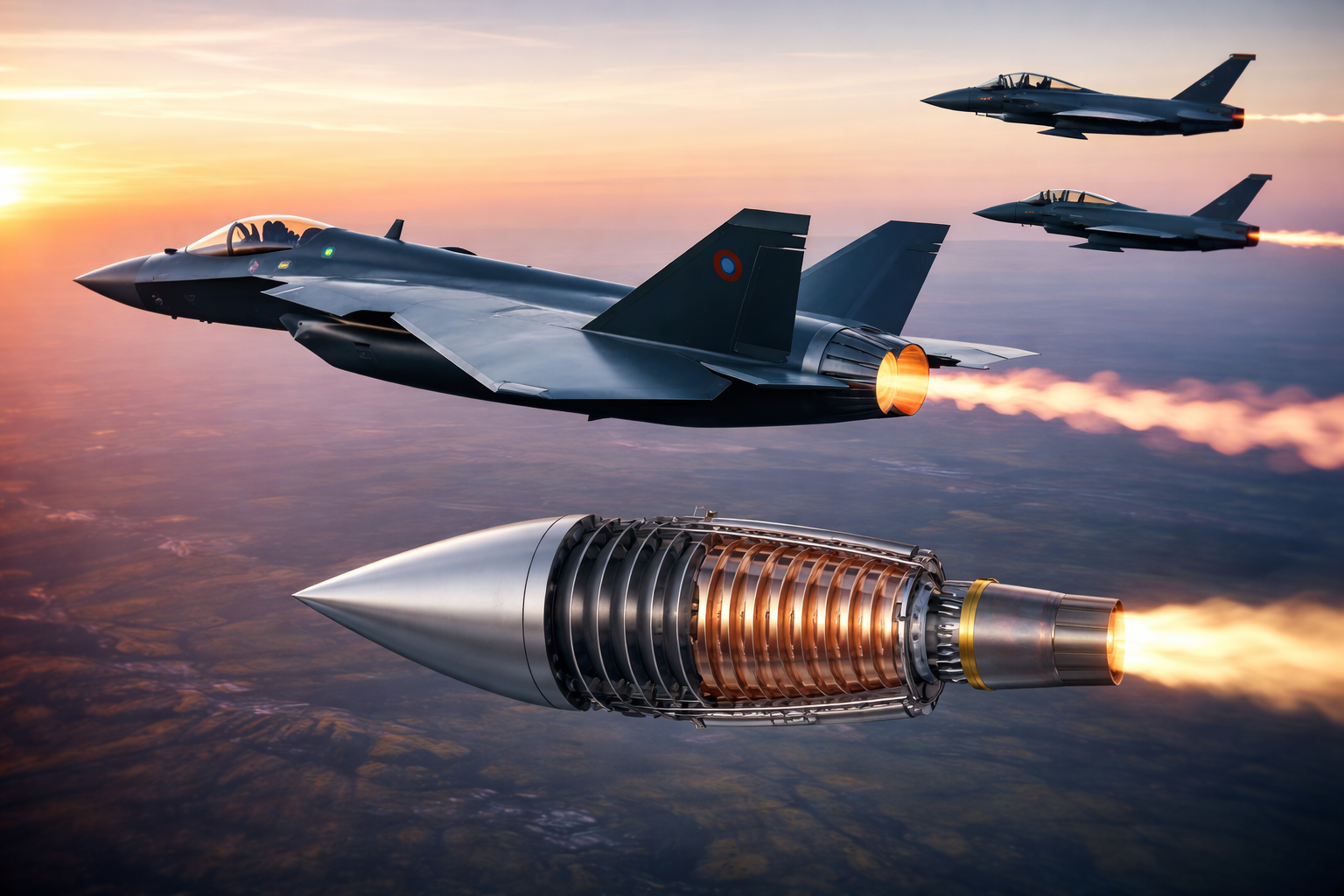
The global defense industry has always experienced fierce competition, but the new €6.7 billion agreement creates more exciting competition. France fighter engine defeated the United Kingdom (UK) by winning a key contract which involves developing and providing sixth-generation fighter jet engines to India. The agreement serves as both a business contract and a demonstration of the strategic alliance between two nations, which includes mutual technological trust and their shared military readiness for future conflicts. The defense pact between India and France will enhance their military partnership while delivering advanced technology which will substantially enhance India’s air defense capabilities.
India’s Sixth-Generation Fighter Program: Preparing for the Future
India has been working on its indigenous advanced fighter aircraft program since1958 to develop an aircraft that meets defense requirements for the next 30 years. The sixth-generation fighter jets have advanced speed and combat strength together with their ability to use stealth technology and artificial intelligence systems and network-centric combat systems and modern weapon systems.
Such an advanced aircraft requires a highly powerful, fuel-efficient, and reliable engine. This is why the engine deal is considered the most crucial part of the entire program. This contract secured by France is considered a decisive step in India’s defense modernization drive.
France vs. UK: Intense Competition
France and the UK were in fierce competition for this deal. Aerospace companies from both countries offered India advanced engine technology and collaboration. The UK offered advanced European engine technology and a shared development model, while France promised more extensive technology transfer and long-term cooperation.
[also_read id=”2451″]
According to reports, India preferred the proposal that offered greater potential for local production, research collaboration, and future upgrades. This was what gave France the edge. Thus, France surpassed the UK not only commercially but also strategically.
Promoting Technology Transfer and “Make in India”
India has long been working towards increasing self-reliance in the defense sector. Under the “Make in India” initiative, the government wants advanced defense technology to be manufactured within the country. France’s agreement to allow technology transfer and joint production in this deal is being considered a major breakthrough.
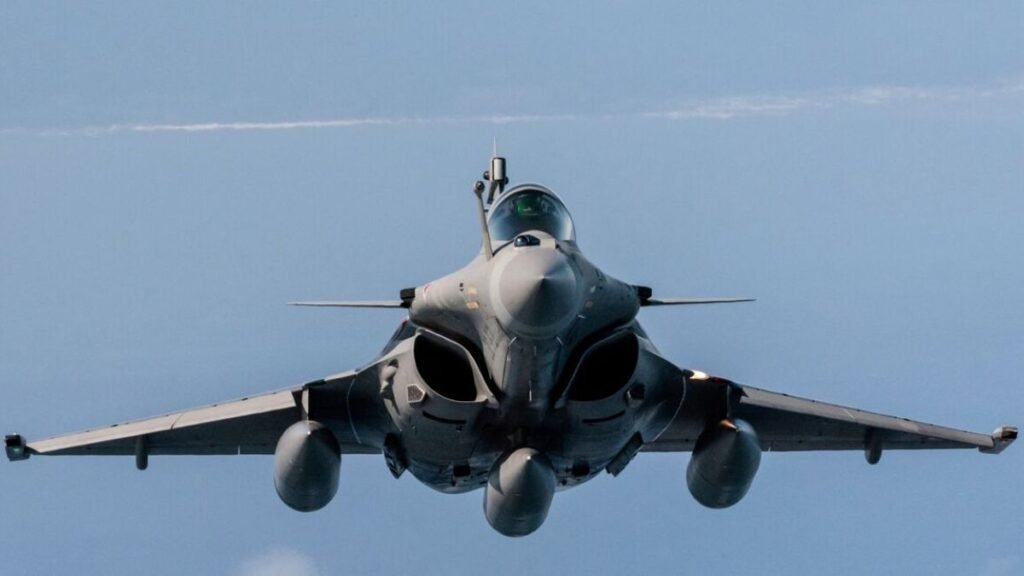
If the engine is produced and developed in India, it will not only increase employment opportunities but also strengthen the country’s technological capabilities. Indian engineers and scientists will have the opportunity to work with cutting-edge aeroengine technology, which will prove extremely useful for future indigenous defense projects.
Impact on the Global Defense Industry
This €6.7 billion deal also sends important signals for the global defense industry. This competition between two major European defense exporters demonstrates the importance of emerging defense markets like India.
France’s victory also highlights that long-term partnerships, technical cooperation, and political trust play a crucial role in any defense deal. India and France already have a strong defense relationship, including numerous examples of fighter aircraft and naval cooperation. This new contract will further strengthen that trust.
Strategic and Geopolitical Significance
This deal is not only significant from a technical or economic perspective, but also has profound geopolitical significance. Amid growing military activity and a shifting balance of power in the Asia-Pacific region, India seeks to further strengthen its defense capabilities.
This agreement with France provides India with a reliable European partner, ensuring its strategic independence and diversity of options. This will ensure India remains unduly dependent on any single country or bloc and maintains its strategic autonomy.
Economic Benefits and Employment Opportunities
The economic impact of such a large defense contract is also widespread. Joint research, the establishment of manufacturing facilities, and the expansion of supply chains are expected to increase investment and employment in both countries.
[also_read id=”2490″]
Establishing engine manufacturing facilities in India will also benefit local industries and startups. The development of new technologies in the aerospace sector could enhance the country’s industrial capabilities.
Future Prospects
This sixth-generation fighter engine deal is just the beginning. This partnership could lead to more advanced defense projects in the future. Research and Development (R&D) collaboration between India and France could enhance, enabling the development of new technologies.
If this project is successful, India could move towards exporting advanced defense systems to other countries in the future. This will strengthen India’s position in the global defense market.
Conclusion
France’s victory over the UK in this €6.7 billion engine deal is not just a commercial achievement, but a major victory for the strategic partnership. This will elevate India’s defense capabilities and strengthen the goal of self-reliance.
This agreement demonstrates that in modern defense deals, not just price, but also technical cooperation, long-term partnership, and trust are equally important. This deal will further strengthen India-France relations in the years to come and could set a new direction for the global defense industry.