
Desegregation and integration are terms that are often used interchangeably, especially in discussions about education, civil rights, and social equality. While they are closely related, they are not the same. Each concept represents a different approach to addressing segregation and inequality in schools and society. Understanding the difference between desegregation and integration is essential for recognizing how social systems work and how meaningful inclusion can be achieved.
Desegregation focuses on removing legal and institutional barriers that separate people based on race or other characteristics. Integration goes a step further by creating environments where people from different backgrounds genuinely interact, participate equally, and feel included. Both concepts play important roles in promoting equality, but their goals and outcomes are distinct.
What Is Desegregation?
Desegregation refers to the process of ending policies and practices that enforce separation between groups, particularly based on race. In the context of schools, desegregation means eliminating laws or rules that require students of different races to attend separate schools. The goal of desegregation is to dismantle systems of exclusion and provide equal legal access to public institutions.
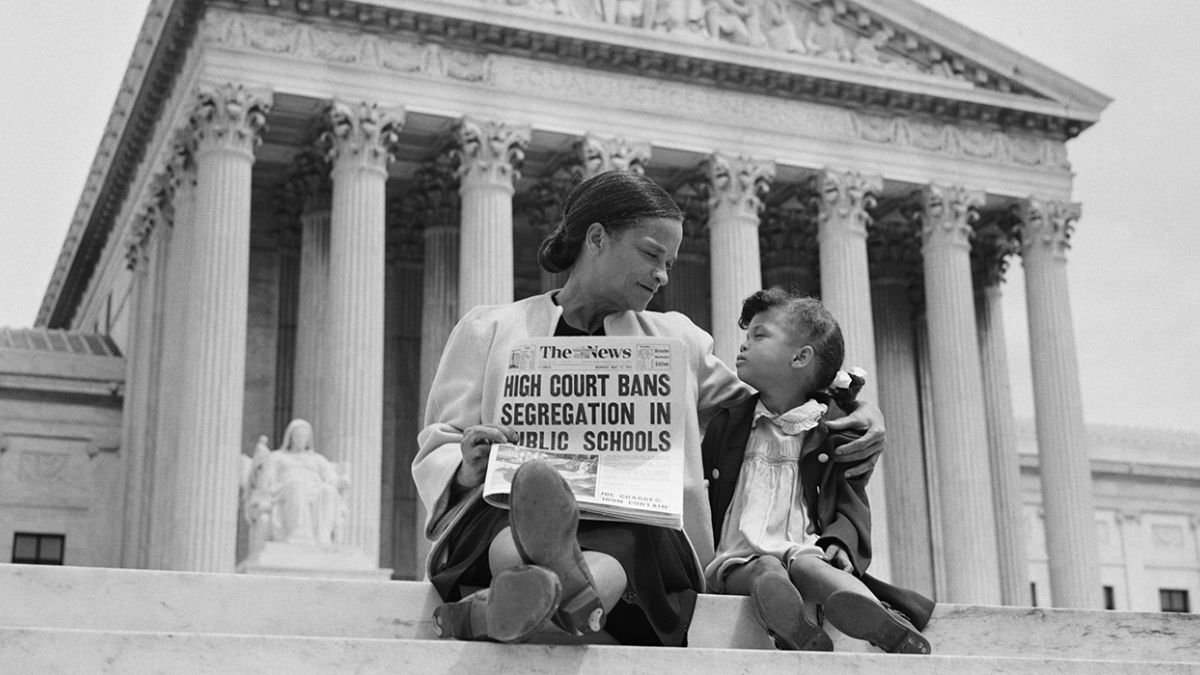
Historically, desegregation emerged as a response to legally enforced segregation. In the United States, the Supreme Court’s 1954 decision in Brown v. Board of Education declared racial segregation in public schools unconstitutional. This ruling marked a turning point by mandating that schools could no longer legally separate students based on race. Desegregation, therefore, was primarily a legal and structural process aimed at ensuring equal access under the law.
What Is Integration?
Integration goes beyond legal access and focuses on meaningful inclusion. It involves creating shared spaces where people from different racial, cultural, and socioeconomic backgrounds learn, interact, and participate together as equals. In schools, integration means more than simply placing students of different races in the same building. It requires fostering an environment where all students feel valued, respected, and supported.
Integration emphasizes social interaction, cultural understanding, and equity. It recognizes that simply ending segregation does not automatically lead to equal experiences or outcomes. True integration addresses issues such as representation in curriculum, equitable access to resources, and inclusive school cultures. It seeks to ensure that diversity is not only present but also embraced.
Key Differences Between Desegregation and Integration
The primary difference between desegregation and integration lies in their scope and intent. Desegregation is about removing barriers, while integration is about building connections. Desegregation ensures that people are no longer legally separated, but it does not guarantee interaction, equality, or inclusion. Integration focuses on what happens after desegregation by creating environments that encourage collaboration and mutual respect.
Desegregation can occur without integration. For example, a school may no longer be legally segregated but still have classrooms or social groups that remain divided along racial or socioeconomic lines. Integration addresses these deeper divisions by promoting inclusive practices and equitable participation.
Historical Context in Education
The history of desegregation and integration in education highlights their differences clearly. After segregation was declared illegal, many schools technically complied with desegregation laws but resisted true integration. Some schools used tactics such as redrawing district boundaries or tracking systems that continued to separate students in practice.
Integration efforts emerged to address these shortcomings. Programs such as busing, magnet schools, and diversity-focused curricula were designed to promote interaction and inclusion. These efforts recognized that legal compliance alone was not enough to create equal educational experiences. Integration required intentional policies and cultural change within schools.
Why Desegregation Alone Is Not Enough
While desegregation was a necessary step toward equality, it is not sufficient on its own. Desegregated schools can still perpetuate inequality if students from marginalized backgrounds lack access to advanced courses, experienced teachers, or supportive learning environments. Without integration, students may share the same space but not the same opportunities.
Desegregation removes visible barriers, but integration addresses invisible ones. It challenges biases, power imbalances, and cultural exclusion that persist even after segregation ends. Without integration, schools risk maintaining inequality under the appearance of fairness.
The Social Impact of Integration
Integration has a powerful social impact that extends beyond academics. When students from diverse backgrounds learn together, they develop empathy, cultural awareness, and communication skills. These experiences help reduce prejudice and build stronger, more inclusive communities.
Integrated schools prepare students for a diverse society. They expose young people to different perspectives and experiences, helping them become more open-minded and adaptable. This social learning is a key benefit of integration and one that desegregation alone cannot provide.
Challenges to Achieving Integration
Achieving true integration is often more difficult than implementing desegregation. Residential segregation, economic inequality, and social resistance can all limit integration efforts. Schools often reflect the demographics of their surrounding communities, making it challenging to create diverse student populations.
There may also be resistance from families who fear that integration will disrupt academic quality or school culture. These concerns are often rooted in misconceptions rather than evidence. Overcoming these challenges requires strong leadership, clear communication, and a commitment to equity and inclusion.
Integration and Equity
Integration is closely tied to the concept of equity. While desegregation focuses on equal access, integration emphasizes fair treatment and support. Equity ensures that students receive the resources and opportunities they need to succeed, taking into account their unique circumstances.
Integrated schools that prioritize equity are more likely to address disparities in achievement and engagement. They recognize that treating everyone the same does not always lead to fair outcomes. By combining integration with equity-focused practices, schools can create environments where all students have a genuine chance to thrive.
The Role of Educators and Policy Makers
Educators and policymakers play a crucial role in moving from desegregation to integration. Teachers can foster inclusive classrooms by using diverse teaching materials, encouraging respectful dialogue, and addressing bias. School leaders can implement policies that promote diversity, equity, and inclusion at every level.
Policymakers can support integration through funding, legislation, and accountability measures. Policies that encourage diverse school populations, equitable resource distribution, and inclusive curricula are essential for sustaining integration efforts. Without institutional support, integration initiatives are difficult to maintain.
Why the Difference Still Matters Today
The distinction between desegregation and integration remains highly relevant today. Many schools are legally desegregated but remain effectively segregated due to economic and social factors. Understanding this difference helps explain why inequality persists despite legal progress.
Recognizing the limits of desegregation highlights the importance of integration as an ongoing process. It reminds us that equality is not achieved simply by changing laws but by transforming systems and cultures. Integration requires continuous effort, reflection, and commitment.
Conclusion
Desegregation and integration are related but fundamentally different concepts. Desegregation removes legal and structural barriers that separate people, while integration focuses on creating inclusive environments where diversity is valued and supported. Both are important, but integration represents the deeper, more meaningful goal of equality.
Understanding the difference between desegregation and integration helps clarify why legal access alone is not enough to achieve fairness. True progress requires intentional efforts to build inclusive communities, equitable systems, and shared experiences. By moving beyond desegregation toward genuine integration, schools and societies can create environments where everyone has the opportunity to belong, learn, and succeed.
