
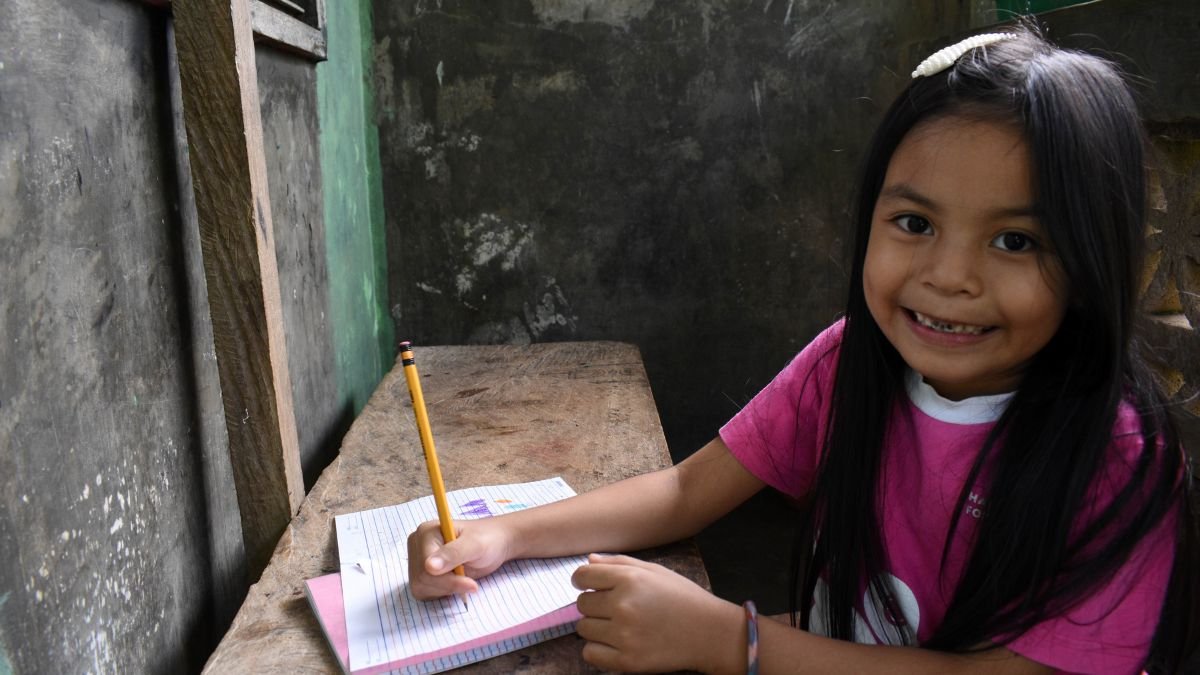
Privilege in education refers to the advantages and benefits that certain students receive based on factors such as race, socioeconomic status, or family background. These advantages are often invisible to those who benefit from them but can have profound effects on academic outcomes, opportunities, and lifelong success. Importantly, privilege in education does not mean that students do not face challenges or difficulties; rather, it means that systemic advantages make it easier for certain groups to navigate the educational system successfully.
Understanding how privilege operates in schools is essential for creating equitable learning environments. It highlights the structural barriers that exist for marginalized students and encourages educators, policymakers, and communities to work toward a system where opportunities are not determined by race, wealth, or social status.
Historical Roots of Educational Privilege
The roots of privilege in education are deeply historical. In many countries, laws and policies were explicitly designed to favor certain groups over others. In the United States, for example, segregation laws and discriminatory funding practices historically limited access to quality education for Black and Indigenous students. Similarly, in other parts of the world, colonization and systemic class divisions created educational advantages for privileged groups while excluding others.
Even after legal reforms, these historical inequalities continue to influence modern educational systems. Schools in wealthier neighborhoods often receive more funding, better facilities, and more experienced teachers, perpetuating the advantages of students who come from affluent families. This historical context explains why privilege in education is not just about individual effort but also about structural and systemic advantages.
Socioeconomic Privilege in Education
One of the most significant forms of privilege in education is socioeconomic privilege. Students from affluent families have access to resources that others often do not. This includes private tutoring, extracurricular activities, advanced technology, and even basic necessities like stable housing and nutritious meals, all of which contribute to better academic performance.
Socioeconomic privilege also affects access to higher education. Families with financial means can afford college application fees, test preparation courses, and opportunities for international study or internships. These advantages make it easier for privileged students to attend prestigious institutions, which in turn increases their chances of career success. In contrast, students from lower-income backgrounds may face financial, logistical, and social barriers that limit their academic opportunities, regardless of their talent or potential.
Racial Privilege and Its Impact
Racial privilege is another important dimension of educational advantage. White students, for example, are more likely to attend schools where the majority of teachers, administrators, and curricula reflect their own cultural experiences. This representation fosters a sense of belonging and validation, while students of color may struggle with systemic biases or feel marginalized in their learning environment.
Racial privilege also manifests in classroom interactions and disciplinary practices. Studies have shown that teachers may unconsciously call on white students more often, assume higher competence, or give them the benefit of the doubt in disciplinary matters. In contrast, students of color are often subject to harsher discipline for similar behavior, which can affect their academic progress and self-esteem. These disparities demonstrate how privilege operates subtly yet powerfully in the classroom.
Privilege in Access to Advanced Opportunities
Privilege in education is also visible in access to advanced academic opportunities. Gifted and talented programs, honors classes, and advanced placement courses often favor students who already have advantages in preparation, support, and prior knowledge. Parents who are familiar with the school system may advocate for their children, ensure they meet deadlines, and provide supplemental learning at home.
These advantages create a feedback loop: students with privilege gain more challenging academic experiences, which enhance college applications and career prospects. Meanwhile, students without these supports may be underrepresented in advanced programs, limiting their opportunities for growth and future success. This systemic gap reinforces social inequality and perpetuates cycles of privilege.
Teacher Expectations and Bias
Teachers’ expectations play a significant role in reinforcing privilege in education systems. Research has shown that educators often hold unconscious biases that influence how they assess and support students. High expectations can motivate students and provide them with opportunities to excel, while low expectations can hinder growth and limit potential.
Students who benefit from privilege are more likely to encounter teachers who expect them to succeed, providing encouragement, mentorship, and constructive feedback. In contrast, marginalized students may face lower expectations, less guidance, and limited opportunities to demonstrate their capabilities. These subtle differences in teacher-student interactions can have long-term consequences for academic achievement and self-confidence.
Representation and Curriculum
Another way privilege manifests in education systems is through curriculum and representation. Students who see their own culture, history, and experiences reflected in what they learn are more likely to feel valued and engaged. For many privileged students, the curriculum aligns closely with their background, reinforcing a sense of belonging.
For marginalized students, however, curricula often overlook their history, contributions, and perspectives. This lack of representation can affect engagement, self-esteem, and motivation. Educational privilege, therefore, is not only about resources and opportunities but also about the cultural relevance and inclusivity of the learning environment.
The Role of Networking and Social Capital
Privilege in education extends beyond formal learning to include social networks and connections. Students from privileged backgrounds often benefit from family or community networks that provide mentorship, career advice, and internship opportunities. These connections can be critical in navigating higher education, securing competitive jobs, and accessing opportunities that are otherwise difficult to obtain.
In contrast, students without these networks may rely solely on institutional support, which may not be enough to overcome systemic barriers. Social capital, combined with educational privilege, creates a cumulative advantage that influences long-term success and perpetuates societal inequality.
Addressing Educational Privilege
Recognizing how privilege operates in education systems is the first step toward creating more equitable opportunities. Schools and policymakers can take several steps to address these disparities, such as equitable funding for all schools, inclusive curricula, mentorship programs for marginalized students, and bias training for educators.
Parents and communities also play a role by advocating for fairness, supporting underrepresented students, and challenging systemic inequalities. While individual effort is important, addressing structural privilege requires collective action and systemic reform. Awareness alone is not enough; meaningful change requires policies and practices that ensure all students have equal access to educational opportunities.
Conclusion
Privilege in education systems is a complex phenomenon that affects students in subtle and profound ways. It encompasses socioeconomic advantages, racial privilege, access to advanced opportunities, teacher expectations, curriculum representation, and social networks. While these advantages may be invisible to those who benefit from them, they shape academic outcomes, career opportunities, and life trajectories.
Understanding how privilege works in education is essential for building a fairer, more inclusive society. By recognizing these systemic advantages, educators, policymakers, and communities can work together to reduce inequities and provide all students with the tools, resources, and support they need to succeed. Addressing educational privilege is not just about individual fairness; it is about creating a society where success is determined by talent and effort, not by background or circumstance.
