
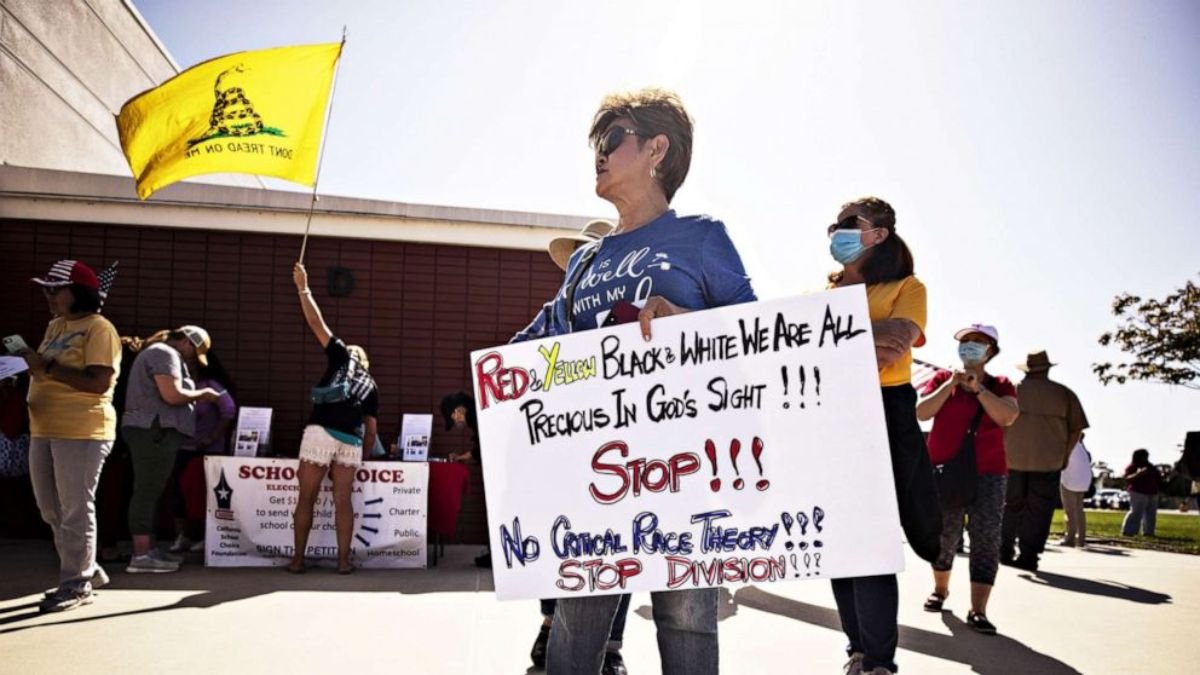
When we hear the word “racism,” we often think of people who openly express hateful views against a particular race, ethnicity, or community. However, in modern society, racism rarely manifests itself in this way anymore. “Racism Without Racists” is a theory that explains how racism persists in contemporary society even without overt racists. Developed by sociologist Eduardo Bonilla-Silva, this theory explains how people, while considering themselves non-racist, still adopt attitudes and behaviors that perpetuate racial inequality.
This theory makes it crucial, especially for newcomers to the topic, to understand that racism is no longer solely about individual hatred, but is deeply embedded in systems, ideologies, and social structures. People may believe they are “colorblind” or that “everyone is equal,” but in practice, they support policies and assumptions that disadvantage certain communities.
How has racism changed in modern society?
In the past, racism was very direct and overt. Discrimination was evident in laws, schools, jobs, and housing. But as the civil rights movement gained momentum, laws changed, and society began to talk about equality, racism also transformed. It has now become mostly indirect and structural.
Today, people don’t openly say that one race is “inferior,” but they make arguments like, “If you work hard, everyone can succeed,” or “Racism is over now.” This thinking seems positive on the surface, but it actually ignores historical and social inequalities. Racism Without Racists identifies this hidden form of racism, where people support an unequal system while considering themselves innocent.
Color-Blind Racism: The problem with “I don’t see color”
The most important aspect of this theory is Color-Blind Racism. This means that people claim they don’t see race and treat everyone equally. While this sounds ideal, in reality, this mindset creates many problems. When we say, “I don’t see color,” we also ignore the real challenges faced by a particular race or community.
For example, if a community has faced discrimination in education, employment, and housing for decades, simply saying “everyone is equal now” doesn’t erase that harm. Color-blind thinking actually masks inequality and makes people feel that no help or reform is needed.
Arguments Justifying Racial Inequality
“Racism Without Racists” also explains how people rationalize racial inequality. They argue that if a community is lagging behind, it’s due to their culture, habits, or lack of effort. This shifts the focus away from systemic issues and places the blame on the individual or community.
This thinking is extremely dangerous because it allows governments, policies, and social structures to evade responsibility. When people assume the problem lies with individuals rather than the system, the demand for change disappears. This is why racism persists even without overt racists.
Examples of Racism Without Racists in Everyday Life
This theory isn’t limited to academic discussions; it’s clearly visible in everyday life. Excluding people from certain backgrounds in job interviews under the guise of “cultural fit,” labeling certain neighborhoods as “good” or “bad,” or assuming that some communities are more prone to crime—these are all examples.
People don’t consider these actions racist because they don’t explicitly mention race. But the effects repeatedly disadvantage the same communities. This hidden racism is at the core of this theory.
Media and Racism Without Racists
The media also plays a significant role in this process. In films, news, and social media, certain communities are repeatedly portrayed in the same way—either as criminals, or poor, or backward. While this may not seem like overt racism, it shapes societal perceptions and reinforces prejudices.
When people say, “These are just the facts,” they fail to consider which facts are being presented and which are being omitted. In this way, the media inadvertently perpetuates “Racism Without Racists.”
Why is it important to understand this concept?
Understanding this concept is crucial, especially for those new to the topic, because it forces us to question our own assumptions. It reveals that racism is not limited to hatred or insults, but can also be embedded in the “normal” ideas we have come to accept as true.
When we understand “Racism Without Racists,” we recognize that real change doesn’t come solely from changing laws, but requires transforming both mindsets and systems.
How to Move Beyond Racism Without Racists?
The solution to this problem isn’t making people feel guilty, but rather encouraging them to honestly acknowledge inequalities. Recognizing that history and systems have harmed certain communities is the first step. This must be followed by changes in policies, education, and social behavior that truly provide equal opportunities.
Only when we move beyond saying “I’m not a racist” and instead ask, “How can I change this inequality?” does the grip of Racism Without Racists begin to loosen.
Conclusion: Recognizing Racism is the Beginning of Change
Racism Without Racists teaches us that racism doesn’t always announce itself loudly; sometimes it sits quietly, embedded in the very foundations of society. It’s difficult to recognize because it often appears normal, rational, and “civilized.” But until we acknowledge it, true equality will remain elusive.
For those new to this concept, it serves as a mirror, showing us how, despite good intentions, we can still be part of an unequal system. Change begins here—with understanding, questioning, and taking responsibility.
