
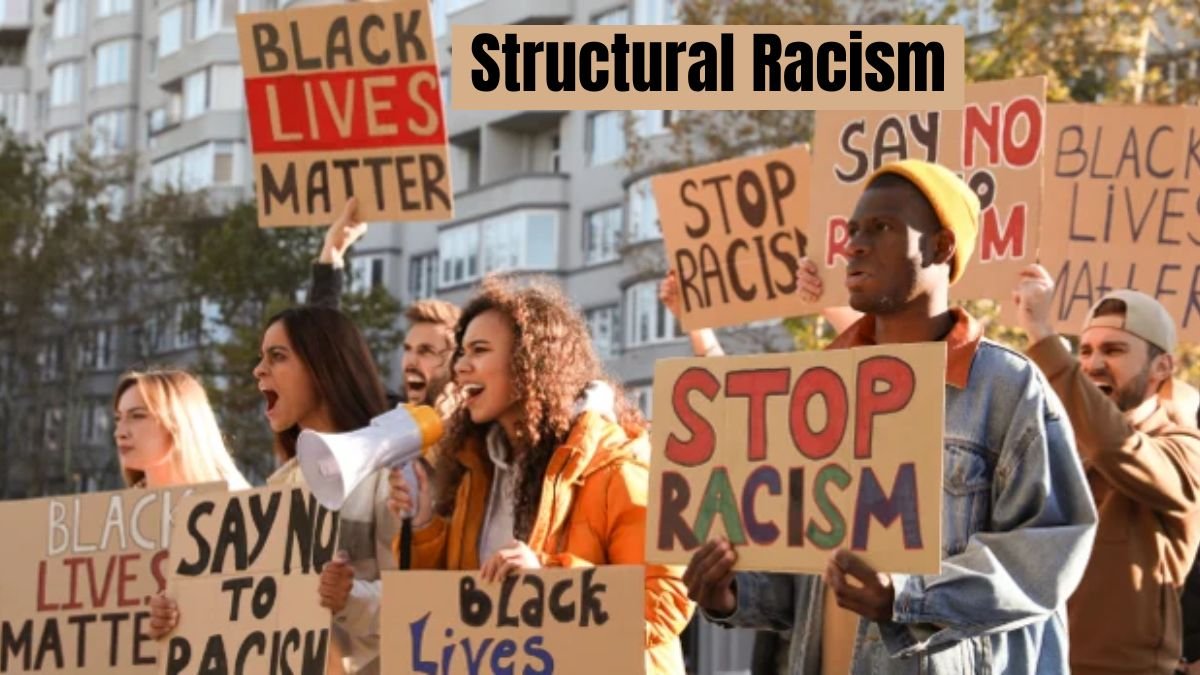
When we talk about racism, we often picture an individual’s hateful thoughts or discriminatory behavior. But structural racism is far deeper and more pervasive. It’s not limited to the beliefs of a single person, but is embedded in the systems, rules, and institutions of society that have historically benefited some groups while disadvantaging others. This includes all social structures, such as schools, employment, laws, healthcare, housing, and the media.
Structural racism is difficult to identify because it often appears “normal” and “neutral.” People say that the rules are the same for everyone, but they fail to see the historical context in which these rules were created and which groups have had better opportunities from the start.
A Framework Shaped by History: How Racism Became Part of the System
Structural racism didn’t appear overnight. It’s the result of centuries of history. Slavery, colonialism, land dispossession, segregation laws, and discriminatory policies—all of these have contributed to creating social structures that are still in operation today. Even though there may not be overtly racist laws today, their effects are still present.
For example, communities that were historically denied access to education and wealth are still economically and socially disadvantaged today. This disadvantage is not the result of individual failure, but rather the consequence of a system that was unequal from the beginning.
Examples of Structural Racism in the Education System
Education is often considered a pathway to equal opportunity, but this is precisely where structural racism is clearly visible. Schools in some areas have better teachers, resources, and facilities, while others struggle even for basic necessities. This disparity is not accidental, but is linked to housing policies and economic inequality.
When children from certain communities attend under-resourced schools from the start, their opportunities for advancement are limited. Later, society may say that they “don’t work hard enough,” when in reality, the system never gave them an equal chance.
Structural Racism in Jobs and Economic Opportunities
Structural racism is evident in the employment sector, but it often goes unrecognized. Research shows that despite having similar experience and qualifications, people from different racial backgrounds receive different responses to job applications. This discrimination is not overt but is hidden behind selection processes, networking, and concepts like “cultural fit.”
Furthermore, some communities have been denied the opportunity to accumulate wealth for generations. The lack of homeownership, land, or businesses prevents economic stability, and this cycle perpetuates itself across generations.
Structural Racism in Housing and Neighborhoods
Where you live significantly impacts many aspects of your life—from schools and safety to health and job opportunities. Structural racism has historically prevented certain communities from accessing housing in desirable neighborhoods. While these discriminatory practices may no longer be explicitly legal, their effects persist.
Even today, many cities clearly show a divide between developed and neglected neighborhoods. The differences between these areas are rooted in racial and economic history, not in the capabilities of the people who live there.
Everyday Structural Racism in Healthcare
Healthcare is an area where structural racism can be a matter of life and death. Some communities lack easy access to better hospitals, doctors, and treatments. Moreover, biases within the medical system mean their health concerns are often not taken seriously.
This situation didn’t arise overnight. Poor housing, pollution, low income, and stress—all these factors contribute to health disparities. When the system itself is unequal, illness spreads unequally as well.
Inequality in the Law and Justice System
The law is supposed to be impartial, but structural racism is present here too. Certain communities face harsher treatment in policing, arrests, sentencing, and the judicial process. This isn’t just due to a few “bad apples,” but rather the way the entire system operates.
When a community is consistently viewed with suspicion, this perception gradually becomes normalized in society. The result is that inequality is justified under the guise of “upholding the law.”
Media and Everyday Perceptions
The media plays a significant role in perpetuating structural racism. Films, news, and social media repeatedly portray certain communities in negative or limited roles. This shapes collective societal perceptions.
When people say, “This is just showing the truth,” they fail to consider whose truth is being shown and whose is being hidden. This selective portrayal reinforces structural racism.
Why is Understanding Structural Racism Important?
For those new to the concept, it’s crucial to understand that racial inequality isn’t simply a matter of individual attitudes or malicious intent. It’s a systemic framework that operates subtly and impacts generations. Until we understand it at the systemic level, our solutions will remain incomplete.
This understanding shifts us from assigning blame to taking responsibility—both individually and collectively.
Towards Change: What Can Be Done at the Everyday Level?
Dismantling structural racism isn’t easy, but it’s not impossible. It begins with awareness—acknowledging that the system is not fair. Education, policy reform, equitable distribution of resources, and increased representation are all necessary steps.
On an individual level, recognizing our own biases, asking critical questions, and refusing to accept inequality as “normal” are also part of the change.
Conclusion: Making Invisible Racism Visible
Structural Racism Explained With Everyday Examples teaches us that racism doesn’t always announce itself loudly. Sometimes it sits quietly in schools, offices, hospitals, and laws. It’s difficult to recognize, but recognizing it is the first step toward change.
Only when we begin to see examples of it in our daily lives can we truly imagine a society where opportunity and respect are genuinely equal for all.
