
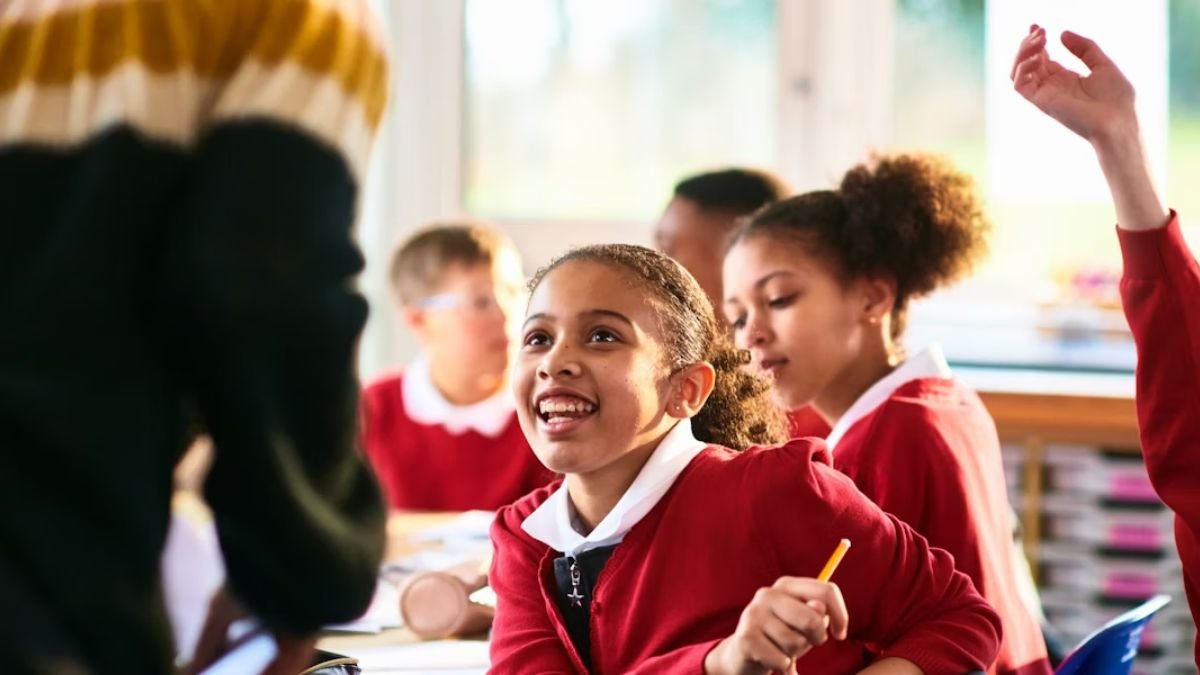
Democracy is more than a system of government; it is a way of living together in a society built on shared values such as equality, participation, and mutual respect. Schools play a vital role in shaping how young people understand and practice these values. Integrated schools, where students from different racial, cultural, and socioeconomic backgrounds learn together, are especially important in sustaining a healthy democracy. They serve as one of the first public spaces where children experience diversity and learn what it means to belong to a shared civic community.
When schools are integrated, they reflect the pluralism that defines democratic societies. Students are not only taught academic subjects but also learn how to coexist with people who are different from them. This daily interaction helps students develop the habits, attitudes, and skills necessary for democratic participation, including listening, cooperation, and respect for differing viewpoints.
Integrated Schools as Foundations of Democratic Values
Integrated schools help instill core democratic values such as fairness, equality, and justice. In classrooms that include students from diverse backgrounds, children learn that everyone deserves dignity and opportunity, regardless of race or social status. These lessons are not abstract concepts; they are lived experiences that shape how students understand fairness in the real world.
Democracy depends on the belief that all citizens are equal and deserving of representation. Integrated schools reinforce this belief by ensuring that no single group is isolated or excluded. When students see diversity normalized and valued, they are more likely to support inclusive policies and democratic institutions later in life. Education in integrated settings teaches that democracy thrives when everyone has a voice.
Promoting Civic Understanding Through Diversity
A democratic society requires citizens who understand and respect differences. Integrated schools expose students to a wide range of perspectives, cultures, and experiences, helping them develop a more nuanced understanding of the world. This exposure encourages critical thinking and reduces the likelihood of fear or misunderstanding based on difference.
Students in integrated schools are more likely to engage in discussions about social issues, history, and civic responsibility with classmates who have different lived experiences. These conversations help young people understand how policies and social systems affect various communities. As a result, students become more informed and empathetic citizens who are better equipped to participate in democratic processes.
Reducing Polarization and Strengthening Social Trust
One of the greatest threats to democracy is social polarization. When groups are isolated from one another, stereotypes and mistrust can grow, making cooperation difficult. Integrated schools help counteract this by bringing students together in shared learning environments where they form friendships and collaborative relationships across differences.
Social trust is a cornerstone of democracy. Integrated schools foster this trust by creating opportunities for students to work together toward common goals. Through group projects, classroom discussions, and extracurricular activities, students learn to value cooperation over division. These experiences help build a sense of shared identity that extends beyond individual differences.
Equality of Opportunity and Democratic Fairness
Democracy depends on the idea that everyone should have an equal opportunity to succeed and contribute. Integrated schools play a crucial role in promoting this principle by reducing disparities in educational access and quality. When schools are segregated, resources and opportunities are often unevenly distributed, undermining democratic fairness.
Integrated schools are more likely to provide equitable access to experienced teachers, advanced coursework, and extracurricular opportunities. This shared access helps ensure that students from all backgrounds have the tools they need to succeed academically and civically. By promoting educational equity, integrated schools help create a more level playing field that supports democratic participation.
Preparing Students for Democratic Participation
Integrated schools serve as training grounds for democratic participation. In these environments, students practice skills such as dialogue, compromise, and collective problem-solving. They learn how to express their views respectfully and listen to others, even when disagreements arise.
These skills are essential for active citizenship. Students who attend integrated schools are more likely to vote, engage in community activities, and support democratic institutions as adults. By experiencing diversity and inclusion firsthand, students develop a deeper commitment to democratic values and practices.
Representation and Inclusion in Democratic Education
Democracy requires that people see themselves reflected in public institutions, including schools. Integrated schools promote representation by ensuring that students from different backgrounds are visible and valued. This sense of inclusion strengthens students’ connection to democratic society and reinforces the idea that democracy belongs to everyone.
Inclusive curricula and teaching practices further support democratic education. When students learn about history, literature, and civic life from diverse perspectives, they gain a more accurate and inclusive understanding of democracy. Integrated schools are better positioned to offer such inclusive education, fostering a sense of belonging and civic responsibility.
Addressing Historical Inequalities Through Integration
Many democratic societies have histories of segregation and exclusion that continue to affect educational systems. Integrated schools play a key role in addressing these historical inequalities by creating opportunities for shared learning and mutual understanding. While integration cannot erase past injustices, it can help prevent their continuation.
By bringing students together across racial and socioeconomic lines, integrated schools challenge patterns of inequality that undermine democracy. They signal a commitment to fairness and inclusion, reinforcing the democratic principle that everyone deserves equal consideration and opportunity.
Challenges to Maintaining Integrated Schools
Despite their importance, integrated schools face significant challenges. Residential segregation, economic inequality, and political resistance can make integration difficult to achieve and sustain. Schools often reflect the divisions present in society, which can limit efforts to create diverse learning environments.
Maintaining integrated schools requires ongoing commitment from policymakers, educators, and communities. It involves addressing broader social inequalities and investing in policies that support diversity and inclusion. While these challenges are complex, the benefits of integrated schools for democracy make the effort worthwhile.
The Role of Educators in Supporting Democracy
Educators play a central role in ensuring that integrated schools fulfill their democratic potential. Teachers who foster inclusive classrooms help students feel respected and valued, regardless of background. By encouraging open dialogue and critical thinking, educators help students develop the skills needed for democratic engagement.
School leaders also contribute by promoting inclusive policies and practices that support integration. When educators model democratic values such as fairness and respect, they reinforce the lessons students learn through their daily interactions in integrated schools.
Integrated Schools and the Future of Democracy
As societies become more diverse, the role of integrated schools in supporting democracy becomes even more important. Future generations will need to navigate complex social and political challenges that require cooperation across differences. Integrated schools prepare students for this reality by teaching them how to live and work together in diverse communities.
Democracy depends on informed, empathetic, and engaged citizens. Integrated schools help cultivate these qualities by providing environments where diversity is embraced and democratic values are practiced daily. Investing in integrated education is an investment in the long-term health of democracy.
Conclusion
Integrated schools matter for democracy because they bring democratic values to life in everyday experiences. By educating students from diverse backgrounds together, integrated schools promote equality, social trust, and civic engagement. They help reduce polarization, strengthen democratic participation, and prepare young people to contribute meaningfully to society.
In a world where divisions can easily undermine democratic institutions, integrated schools serve as powerful reminders of the importance of inclusion and shared responsibility. They show that democracy is not just taught through textbooks but lived through relationships, collaboration, and mutual respect. Supporting integrated schools is essential for building a democratic society that is fair, resilient, and united.
